Compare the open market with a direct buyer.
See how price, timing and control differ before you choose a route.
Important price context. A direct offer is normally below potential open-market value.

Choosing your route
What matters most in your sale?
The two routes solve different problems. Start with the outcome you want to protect; you can read both before speaking to Dukes.
Route one
Open-market sale
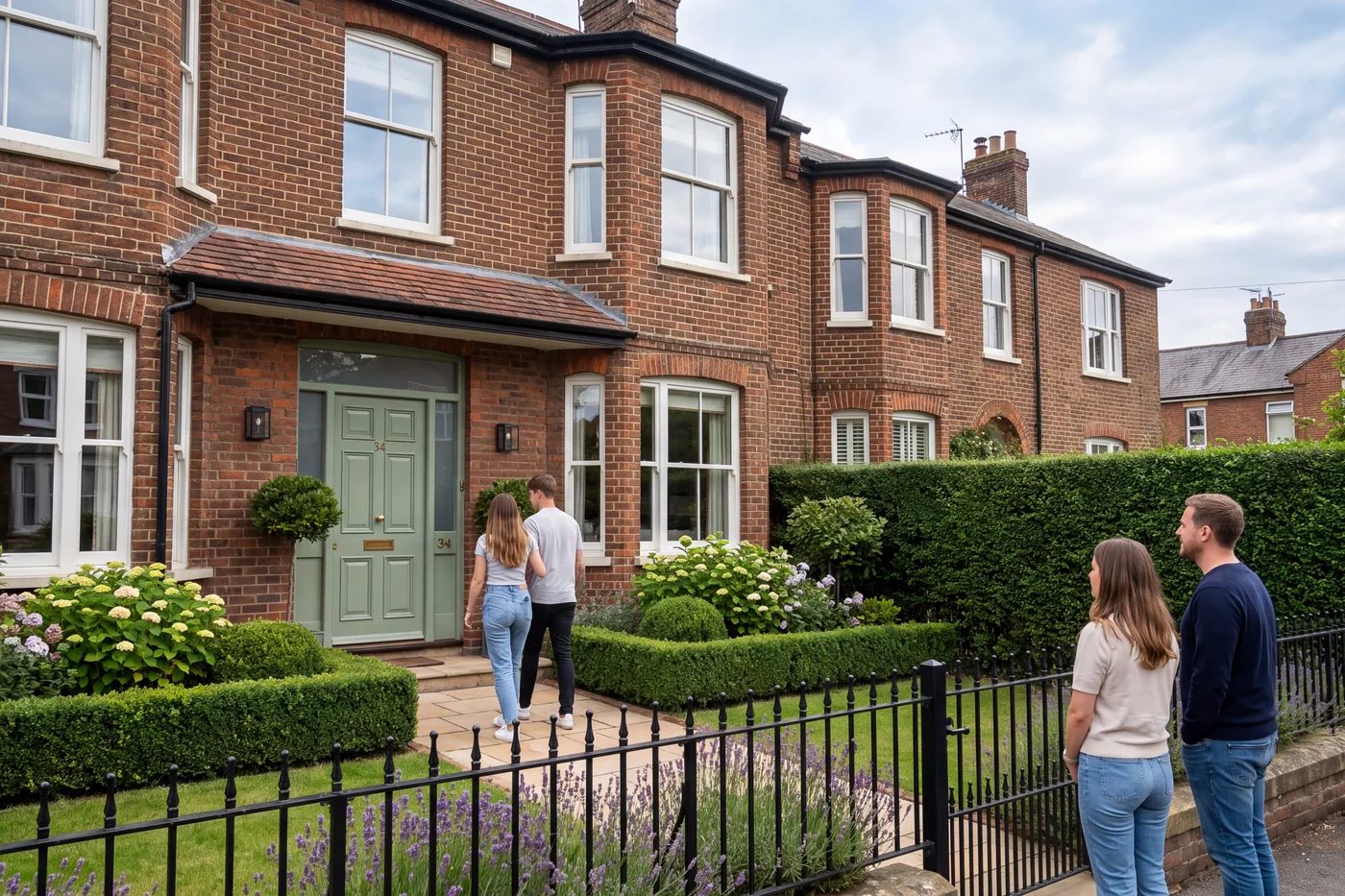


Choose this when achieving the strongest credible price is the priority.
Your property is prepared for the market, promoted to a broad audience and presented to buyers who can compete for it. That wider exposure can create stronger evidence of value and gives you a clearer view of how the market responds.
The timetable is shaped by buyer demand, finance, surveys, conveyancing and the chain. It can take longer, but you retain the freedom to assess the quality and position of each offer rather than working to a single buyer's schedule.
- Exposure
- Broad marketing across suitable channels and buyer databases.
- Price
- Competition may support a stronger sale price.
- Timing
- The buyer, finance, legal work and any chain set the pace.
- Control
- You decide which offer to accept and when to proceed.
Route two
Direct investor sale
Consider this when a more focused timetable matters more than achieving the highest possible price.
Dukes first considers whether the property and circumstances may suit the route. If they do, suitable investor buyers may be approached. Dukes introduces the opportunity; it is not the buyer or purchaser.
You remain free to accept or decline any offer. Your own solicitor or licensed conveyancer handles the legal sale, and nothing is binding before exchange. No investor, acceptable offer or completion date can be guaranteed.
- Price
- An offer is normally below potential open-market value.
- Timing
- About 28 days may be targeted only when everything is ready.
- Buyer
- Dukes may introduce a suitable investor.


Timing, honestly
28 days is a target. Never a promise.
Property, title and investor all need to be ready. Legal checks and agreed terms can change the timing.
No investor, acceptable offer or completion date can be guaranteed.

The route, stage by stage
Five clear hand-offs.
Each stage names who acts and where the decision sits.
-
You act
Tell Dukes about the property
Share the address, condition and why timing matters.
-
Dukes acts
Dukes checks suitability
The direct route is considered against the property and your situation.
-
Dukes acts
Suitable investors may be approached
Dukes introduces. It is not the purchaser.
-
You decide
You decide on any offer
Accept or decline. Nothing is binding before exchange.
-
Your solicitor
Your solicitor handles the sale
Your own legal adviser handles completion.
Readiness
Before an investor is approached.
-

Property condition and history
Enough information to assess the property honestly.
-

Title and tenure
Confirmed with your conveyancer.
-

Investor availability
A suitable investor must be available.
-

Your legal adviser
Ready to act if you accept an offer.
Next step
Start with your property.
Tell Dukes the address, condition and why timing matters.
Prefer the open market? Request a sales valuation.Fees and terms are confirmed in writing before you commit.
Selling
Talk to Dukes about your sale.
Tell Dukes about the property and your plans, review the message, then send it straight to the team with Email Dukes.
Get in touch
Email, call or message Dukes directly with: what you need help with, your name, a way to reach you, the property address or postcode if you have one, and your message.

Your enquiry, reviewed
Nothing has been sent yet. Choose one of the options below when you are ready.
Enquiry copied.